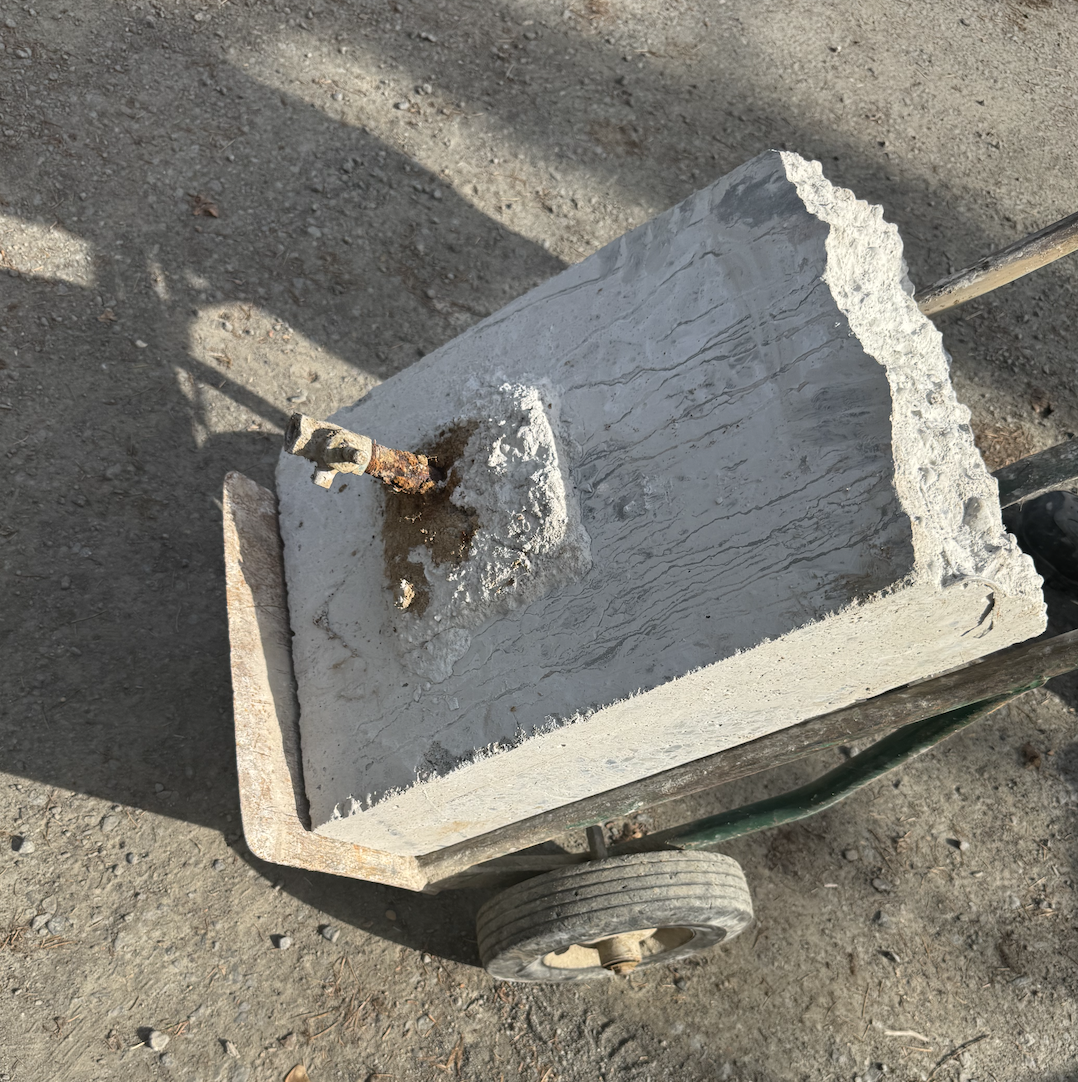
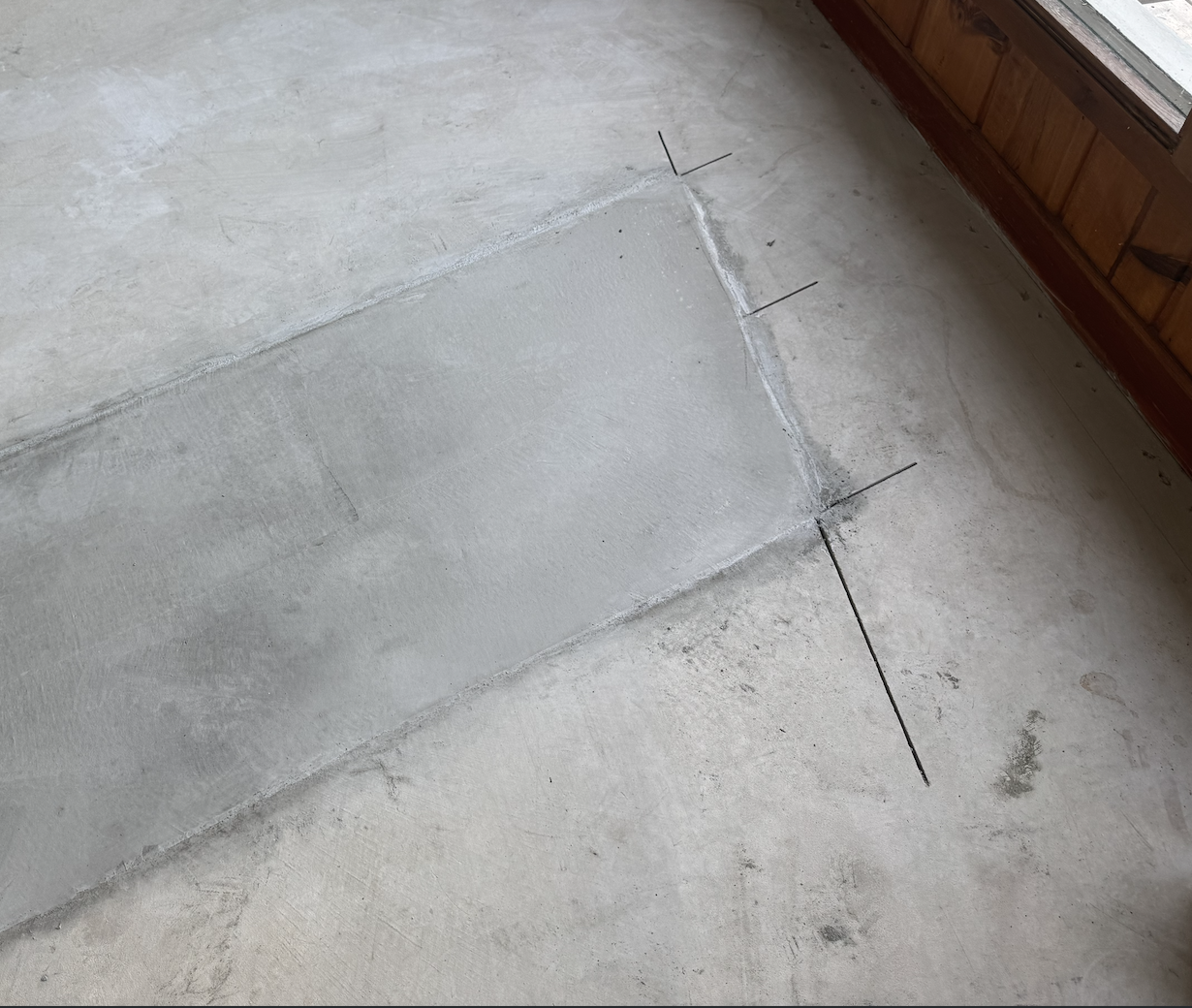
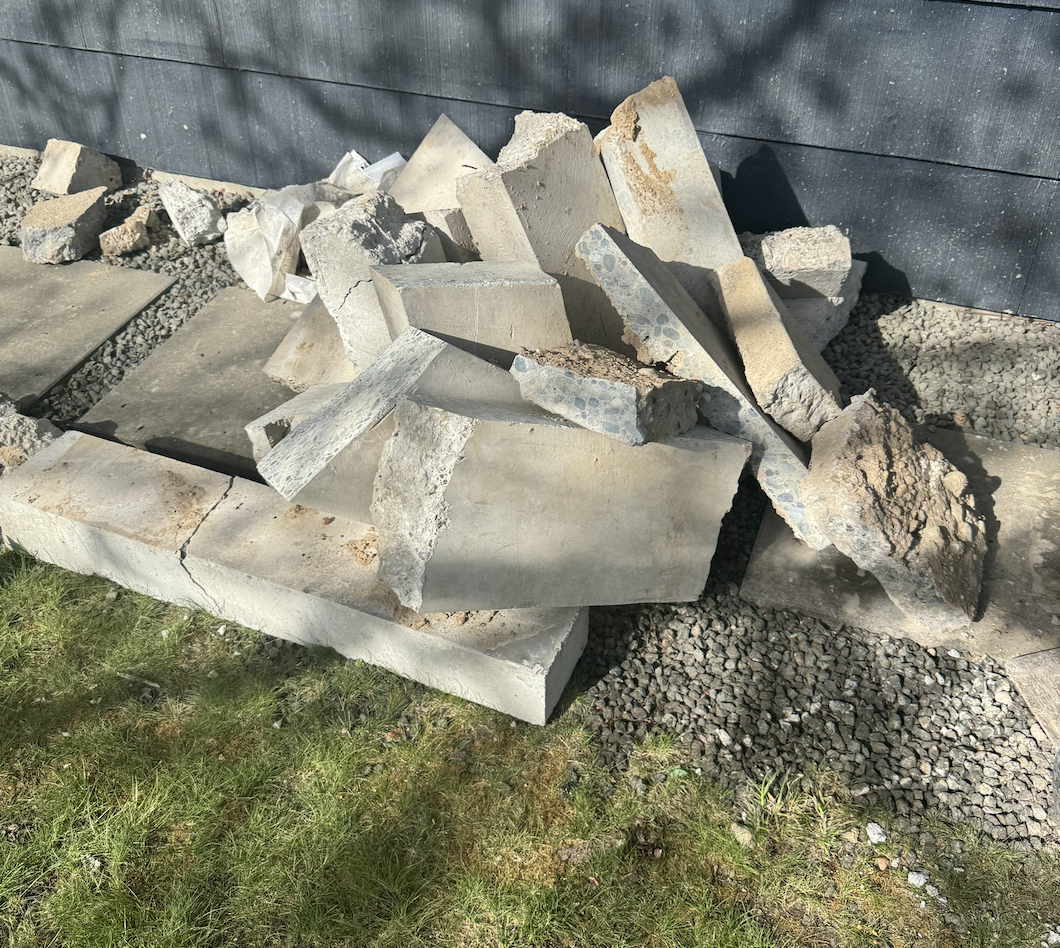
Concrete cutting is the controlled process of sawing, drilling, and removing concrete.
It is commonly used in construction, renovation, and demolition projects to create
openings for doors, windows, plumbing, electrical systems, and to remove unwanted
concrete sections safely and accurately.
[Insert Overview Image Here]
Wet Cutting
Wet cutting uses water during the cutting process to reduce airborne silica dust,
cool the blade, and create smoother cuts. This method helps extend blade life and
improves cutting efficiency by reducing friction and overheating.
Wet cutting is commonly used for outdoor projects or locations where water runoff
can be managed safely.
[Insert Wet Cutting Video Here]
Dry Cutting
Dry cutting does not use water and instead relies on specialized blades designed
to withstand higher temperatures. This method offers greater mobility and convenience,
especially for indoor work or quick jobs where water could cause damage.
Because no water is used, dry cutting produces more dust and requires proper dust
collection systems to maintain safety standards. It is best suited for short or
shallow cuts.
[Insert Dry Cutting Equipment Image Here]
Track Mounted Cutting
Track mounted cutting systems use guided rails or tracks to achieve precise,
straight cuts in concrete walls, floors, and large structures. These systems are
commonly used for heavy-duty demolition and structural modifications where accuracy
is critical.
Track mounted saws are ideal for cutting large openings in reinforced concrete and
are often used in commercial and industrial construction projects.
[Insert Track Mounted Saw Video Here]
Hydraulic Powered Concrete Saw
Hydraulic powered concrete saws use hydraulic pressure instead of electric or gas
motors, making them powerful, reliable, and well-suited for demanding cutting
applications.
These saws are commonly used in environments where high power, deep cutting capacity,
and reduced exhaust emissions are important. Hydraulic saws also perform well in
wet conditions and confined spaces.
[Insert Hydraulic Concrete Saw Image Here]
Core Cutting
Core cutting uses specialized core drills fitted with diamond-tipped bits to create
clean, precise circular holes in concrete, brick, or masonry. These holes are
commonly used for plumbing pipes, HVAC systems, electrical conduits, and utility
installations.
Core drilling produces smooth edges with minimal vibration, reducing the risk of
structural damage to surrounding concrete.
[Insert Core Cutting Video Here]
Core Cutting vs. Hammer Drilling
Core Cutting
Creates large, clean, circular holes.
Uses diamond core drill bits.
Produces minimal vibration and cleaner finishes.
Ideal for plumbing, HVAC, and electrical penetrations.
Suitable for reinforced concrete and precision work.
Hammer Drilling
Uses rapid hammering action combined with rotation.
Designed for smaller anchor or fastener holes.
Produces more vibration and rougher holes.
Best for installing anchors, bolts, or screws.
Faster for light-duty drilling tasks.
The main difference is precision and purpose. Core cutting is used for larger,
cleaner openings with minimal structural impact, while hammer drilling is typically
used for smaller holes where speed is more important than finish quality.
[Insert Comparison Diagram Here]
Accessories
Things you may need before, during and after cutting concrete!
Safety Gear:
Gloves
Dust Control
Face Shield
Hearing Protection
Ventilation